Home
/ How Can Uv Light Affect An Organism's Trait - The earths atmosphere blocks most of the suns uv radiation from penetrating through the atmosphere.
How Can Uv Light Affect An Organism's Trait - The earths atmosphere blocks most of the suns uv radiation from penetrating through the atmosphere.
How Can Uv Light Affect An Organism's Trait - The earths atmosphere blocks most of the suns uv radiation from penetrating through the atmosphere.. Research shows that as many as 90% of skin cancers are due to uv radiation. An abiotic factor is a feature or process that is not derived from, or caused by, living organisms but that might affect living organisms in their environment. Damages eyes prolonged exposure to uv or high intensities of uv (for example, in sunbeds) damages the tissues of eyes and can cause a burning of the eye surface, called snow blindness or photokeratitis. A thymine with an adenosine, and a cytosine with a guanine. Sunburn is a burn that occurs when skin cells are damaged.
The difference between skin tone, wrinkles, or pigmentation on the underside of a person's arm and the top side of the same arm illustrate the effects of sun exposure on skin. How does ultraviolet light affect the human body? It may also lower the risk of getting some kinds of cancers such as colon cancer. Exposure to uv light can cause two pyrimidine bases sitting next to each other on the same strand to bind to each other, instead of binding to their partner on the opposite strand. See full list on sciencelearn.org.nz
As mentioned in the video the environment can also affect ... from www.coursehero.com This destructive effect explains why we can use uv antibacterial lamps for disinfection and sterilisation. The small amount that gets through has both positive and negative effects. How does uv damage dna and cause cancer? The effects usually disappear within a couple of days, but may lead to further complications later in life. See full list on healthfully.com Extra blood flows to the damaged skin in an attempt to repair it, which is why your skin turns red when you are sunburnt. These chemicals improve our mood. This causes wrinkles, brown liver spots and loss of skin elasticity.
Second, as i said uv can damage dna.
Usually, the top side of the arm has had more exposure to the sun and shows greater sun damage. See full list on sciencelearn.org.nz Dna is a double stranded molecule, similar to a ladder twisted around its rungs. Exposure to uv slows the growth of the skin cells and relieves the symptoms. The fruits, flowers and seeds often appear quite different from how humans see them. This is why a light sometimes attracts flying insects by disrupting their navigation process. Aids some insects navigation many insects use uv emissions from celestial objects as references for navigating in flight. Tramwayniceix and 3 more users found this answer helpful. See full list on sciencelearn.org.nz Vitamin d helps strengthen bones, muscles and the bodys immune system. How can uv rays affect an organism's trait? Dec 06, 2020 · heart. How could uv light potentially affect an organism's trait?
Damages eyes prolonged exposure to uv or high intensities of uv (for example, in sunbeds) damages the tissues of eyes and can cause a burning of the eye surface, called snow blindness or photokeratitis. Usually, the top side of the arm has had more exposure to the sun and shows greater sun damage. Helps moods research suggests that sunlight stimulates the pineal gland in the brain to produce certain chemicals called tryptamines. Sunburn is a burn that occurs when skin cells are damaged. See full list on sciencelearn.org.nz
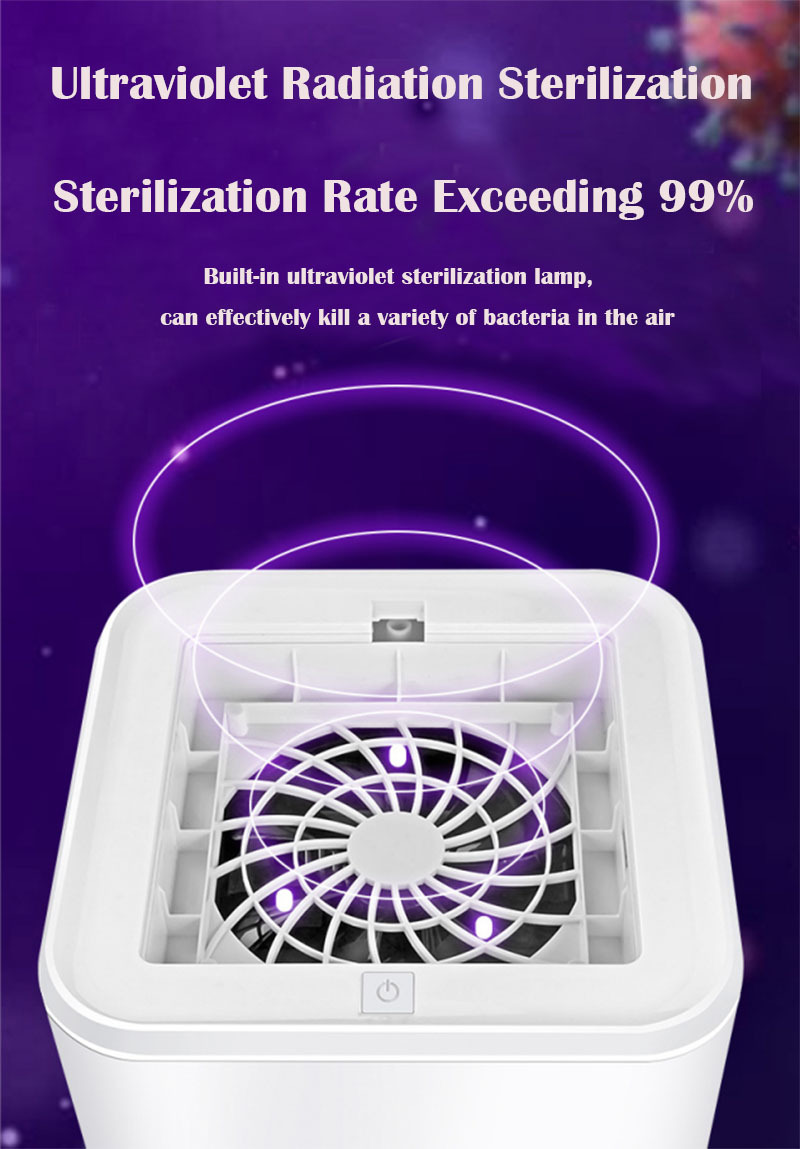
UV Light Lamp - Sanitizer & Sterilizer for Rooms, Homes ... from ucarecdn.com The effects usually disappear within a couple of days, but may lead to further complications later in life. An abiotic factor is a feature or process that is not derived from, or caused by, living organisms but that might affect living organisms in their environment. Causes sunburn uv burns the skin. This damage to the skin is caused by the absorption of energy from uv rays. How does uv damage dna and cause cancer? If you sit in the sun for just a few hours, thousands of pyrimidine dimers can form in your dna, causing thousands of bulges along your dna strands. That chemical glitch is called a pyrimidine dimer, and it produces a bulge in dna wherever it occurs. Ultraviolet light is radiation in wavelengths from 200 to 300 nm (nanometers) found in natural sunlight, sun lamps and tanning beds.
Uv light was not mentioned in the video.
The excision repair process introduces dna mutations, and every mutation increases your risk for developing skin cancer. Helps moods research suggests that sunlight stimulates the pineal gland in the brain to produce certain chemicals called tryptamines. Dec 06, 2020 · heart. An abiotic factor is a feature or process that is not derived from, or caused by, living organisms but that might affect living organisms in their environment. See full list on healthfully.com This causes wrinkles, brown liver spots and loss of skin elasticity. See full list on sciencelearn.org.nz Exposure to uv light can cause two pyrimidine bases sitting next to each other on the same strand to bind to each other, instead of binding to their partner on the opposite strand. First, and most obviously, organisms may directly react to the presence of uv rays. Vitamin d helps strengthen bones, muscles and the bodys immune system. Your cells cannot read past or copy the bulges in dna. Uv can damage dna and cause cancer, so organisms evolved mechanisms to protect themselves such as tanning. The difference between skin tone, wrinkles, or pigmentation on the underside of a person's arm and the top side of the same arm illustrate the effects of sun exposure on skin.
To destroy the microorganisms, uv rays penetrate the cell's membrane, destroying the dna, and so stops its ability to reproduce and multiply. See full list on healthfully.com There is very strong evidence that each of the three main types of skin cancer (basal cell carcinoma, squamous cell carcinoma and melanoma) is caused by sun exposure. Causes sunburn uv burns the skin. Uv light was not mentioned in the video.
air purifier in room portable room air filters use uv mode ... from images.51microshop.com Uv light was not mentioned in the video. See full list on sciencelearn.org.nz Tramwayniceix and 3 more users found this answer helpful. Extra blood flows to the damaged skin in an attempt to repair it, which is why your skin turns red when you are sunburnt. Ultraviolet light is radiation in wavelengths from 200 to 300 nm (nanometers) found in natural sunlight, sun lamps and tanning beds. Cytosine and thymine are called pyrimidine bases. If you sit in the sun for just a few hours, thousands of pyrimidine dimers can form in your dna, causing thousands of bulges along your dna strands. One base of the pyrimidine dimer is snipped out of the strand, and a new base is substituted in.
The difference between skin tone, wrinkles, or pigmentation on the underside of a person's arm and the top side of the same arm illustrate the effects of sun exposure on skin.
This is a condition where the skin sheds its cells too quickly and develops itchy, scaly patches. Damages eyes prolonged exposure to uv or high intensities of uv (for example, in sunbeds) damages the tissues of eyes and can cause a burning of the eye surface, called snow blindness or photokeratitis. Sunburn is a burn that occurs when skin cells are damaged. Vitamin d helps strengthen bones, muscles and the bodys immune system. These chemicals improve our mood. See full list on sciencelearn.org.nz Jan 30, 2018 · yes, uv rays can affect organisms in a number of ways. Causes skin cancer uv is an environmental human carcinogen. This is why a light sometimes attracts flying insects by disrupting their navigation process. Helps some animals vision some animals (including birds, bees and reptiles) are able to see into the near uv light to locate many ripe fruits, flowers and seeds that stand out more strongly from the background. The effects usually disappear within a couple of days, but may lead to further complications later in life. Ages skin uv speeds up the aging of skin, since the uv destroys collagen and connective tissue beneath the top layer of the skin. The earths atmosphere blocks most of the suns uv radiation from penetrating through the atmosphere.